
-
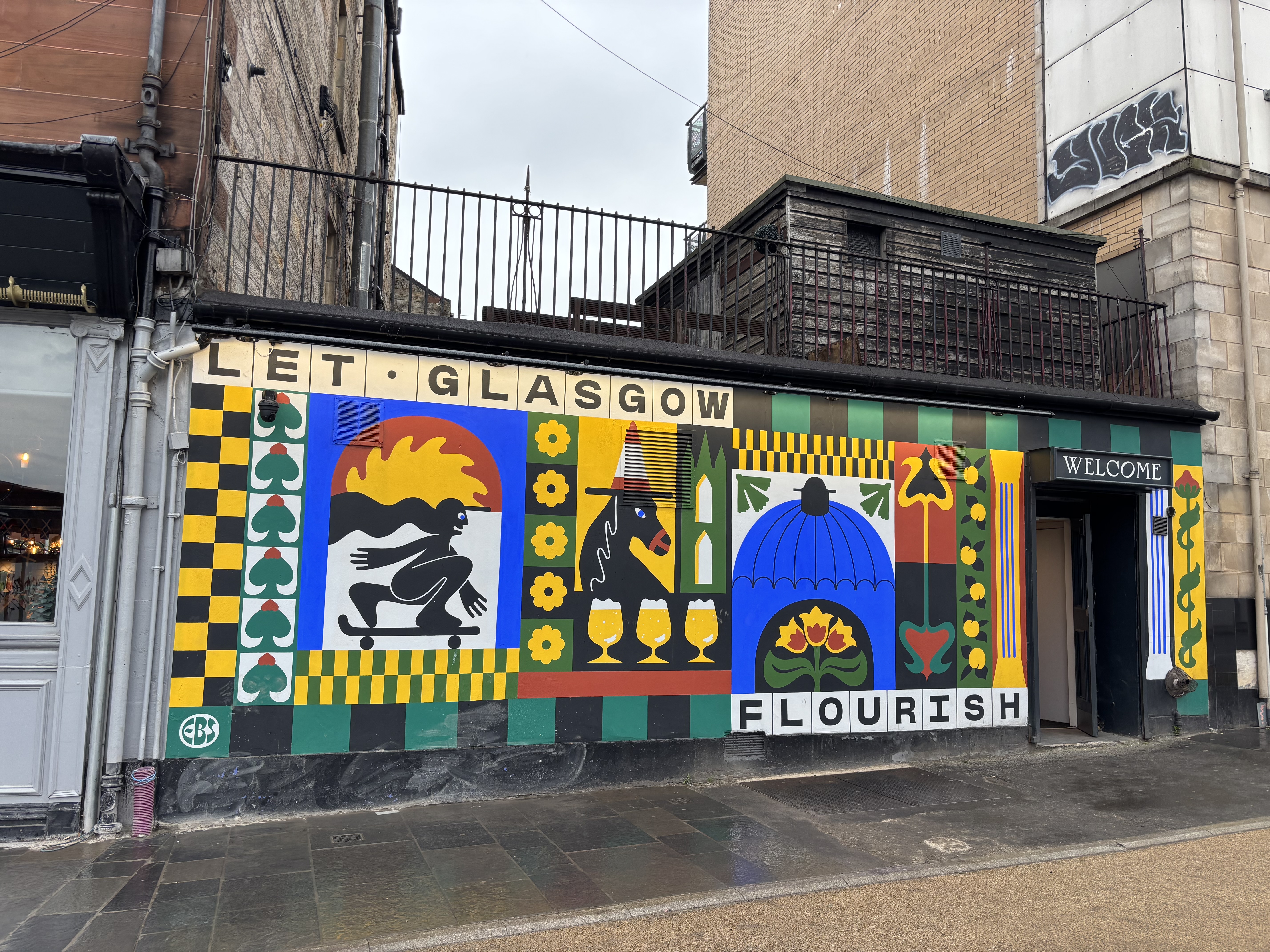

Fünf Wünsche für Glasgows Zukunft
Read more: Fünf Wünsche für Glasgows ZukunftIm Herzen von Bridgeton, einem ehemaligen Industriegebiet im East End von Glasgow, liegt die Glasgow Women’s Library – ein einzigartiger Ort, der Museum, Archiv, Ausstellungsraum,…
-


Ein angehender Fischer, ein potenzieller Champion
Read more: Ein angehender Fischer, ein potenzieller ChampionWas kommt einem als Erstes in den Sinn, wenn man an das Donaudelta denkt? Vielleicht sind es die atemberaubenden Vogelschwärme, die über Landschaften fliegen, scheinbar…
-


Die Eisenblüte – Ein Schatz zwischen Abbau und Erinnerung
Read more: Die Eisenblüte – Ein Schatz zwischen Abbau und ErinnerungDie meisten Dinge die mit dem Bergbau assoziiert werden sind groß, schwer oder zumindest nützlich: Bagger, Lastwagen, Hochöfen, Erz. Die Eisenblüte passt jedoch nicht ganz…
-

Die Grubenlampe
Read more: Die Grubenlampe„Das erste Glas, das letzte Licht dem Geist des Bergs. Vergiss das nicht!“ (Bergmännischer Trinkspruch) „Wisst ihr noch, wie heiß es war – und wie…
Project Pillars
Pasts and presents in places of abandonment and renewal
Waste/Land/Futures uses ethnographies (an anthropological research method) to understand how (inter)generational relations are changing in places that have experienced industrial abandonment and renewal across Europe.
We take a material ethnographic approach, meaning we focus on the material world and what it can tell us about people and place. You can learn more about what we’ve discovered in our object vignette series.
Capturing the stories held within things
We explore individual memories of the past and present of places through interviews with residents that focus on objects, things, and photographs.
You can read more about what we learn from the entanglement between objects and people in our object vignette series.
How do different generations understand the past and imagine the future?
What happens when different generations come together to talk about the past and to think about the future of a place?
Through intergenerational family interviews, we’re eliciting existing narratives about place from different generations, and asking those families to share with us how they think about the future at the moment.
Imagining utopian futures for places of abandonment and renewal
We don’t just want to speculate about the future. We want to create it.
In 2027, we will run creative workshops for the research team and residents. Led by expert artists, researchers and residents will produce new, collectively created, utopian narratives about the future of the Danube Delta, Eisenerz, Glasgow and Rutherglen, and the Saarland.